Commerce Architecture

Headless vs. Monolithic E-commerce: What CTOs Need to Know

Headless commerce is not a strict upgrade — it is an architectural trade-off. Here is how to make the call without falling for the marketing.

2 min read
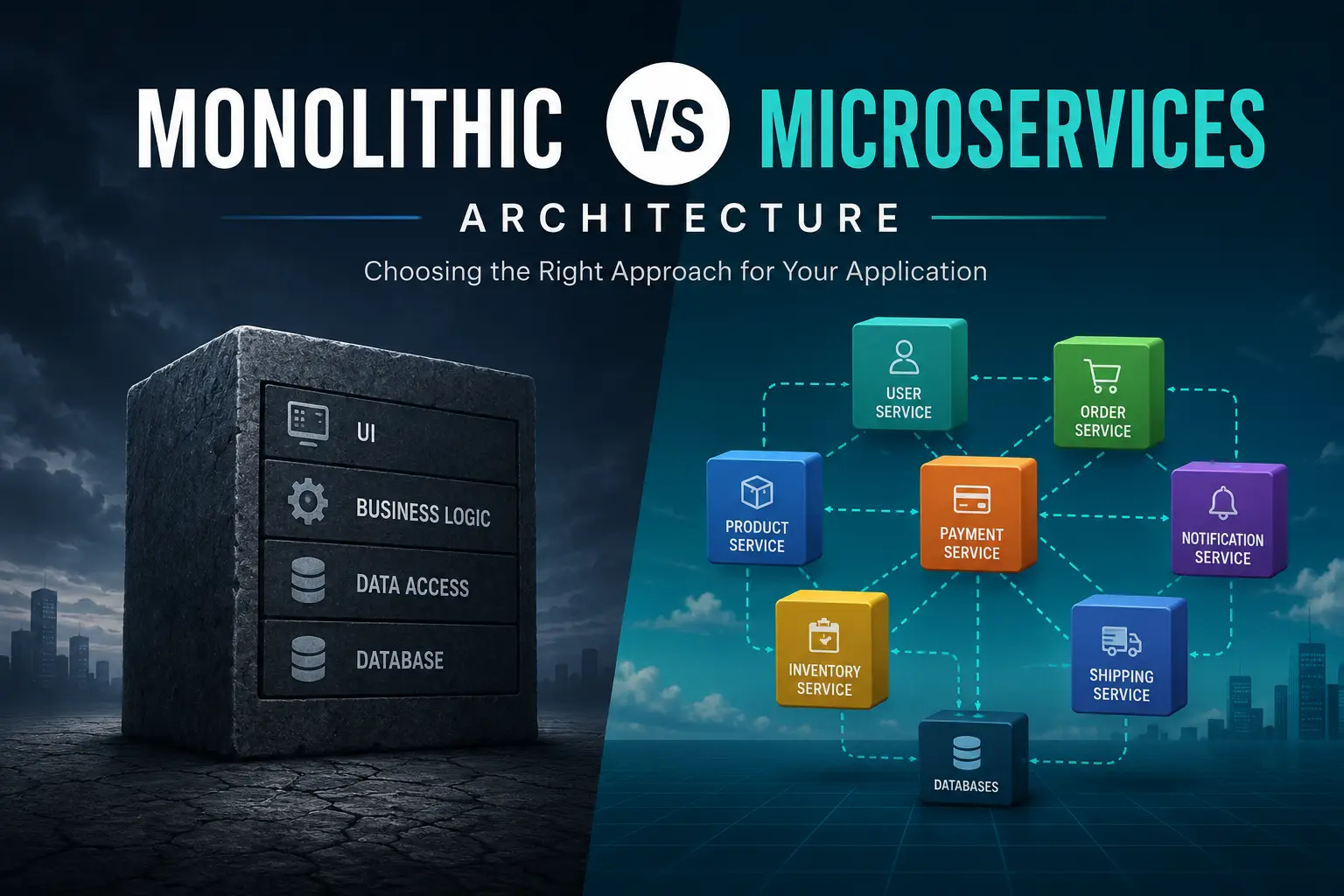
Headless versus monolithic commerce architecture

The headless vs. monolithic debate has become more religious than technical. Both sides oversell, both sides under-disclose the trade-offs, and most leadership teams end up choosing based on whoever spoke last.

This piece gives you the engineering view: what each model costs in talent, infrastructure, and velocity — and how to choose without lock-in.

#1An honest side-by-side of the two models

Monolithic platforms (Shopify, BigCommerce, Magento) bundle storefront, checkout, admin, and integrations into a single, opinionated suite. Headless platforms (commercetools, Shopify with Hydrogen, Saleor) decouple the storefront from commerce primitives so each can evolve independently.

  • Monolith: faster time-to-launch, lower team cost, ceiling on customisation.
  • Headless: higher upfront cost, more team specialisation, far more customisation runway.

#2Where headless genuinely wins

Headless pays off when the storefront is the brand's primary product, when multi-channel parity is critical, when commerce primitives need to be reused across native apps and partner surfaces, or when the team already has senior front-end and platform engineers.

#3Hidden costs nobody puts on the slide deck

Headless decomposes problems but adds operational ones: identity propagation, cache invalidation across edges, observability across providers, and integration tax with every additional 'best of breed' service. We have rescued more than one migration that quietly cost twice its original budget because nobody accounted for the platform engineering needed to keep a composable stack honest.

#4A simple decision framework for CTOs

  1. Define the next three years of customer experience priorities.
  2. Score each priority on the monolithic platform's roadmap and customisation surface.
  3. Estimate the engineering investment headless will demand to maintain parity.
  4. If the gap is large and persistent, go headless. Otherwise, stay monolithic and invest in the storefront layer.


The takeaway

Headless is a powerful tool; it is not a destination. The honest answer for most retailers is 'partial headless', where the storefront is decoupled but the commerce core stays bundled. Choose the model that frees your team to ship customer value — not the one with the better keynote.

Frequently asked questions

Can we go partially headless?
Yes, and most successful migrations do. Decouple the storefront first, keep commerce primitives bundled, and revisit further decoupling once you understand the operational cost in production.
What's the minimum team for a healthy headless stack?
In our experience, a sustainable team is around 8–12 engineers split across front-end, platform, integration, and observability. Anything smaller tends to stall under operational load.
Keep reading

Similar articles