AI in Logistics: Moving Beyond Simple Route Optimization
Route optimisation is the surface layer. The real value comes from AI orchestrating dispatch, capacity, and service-level promises end to end.
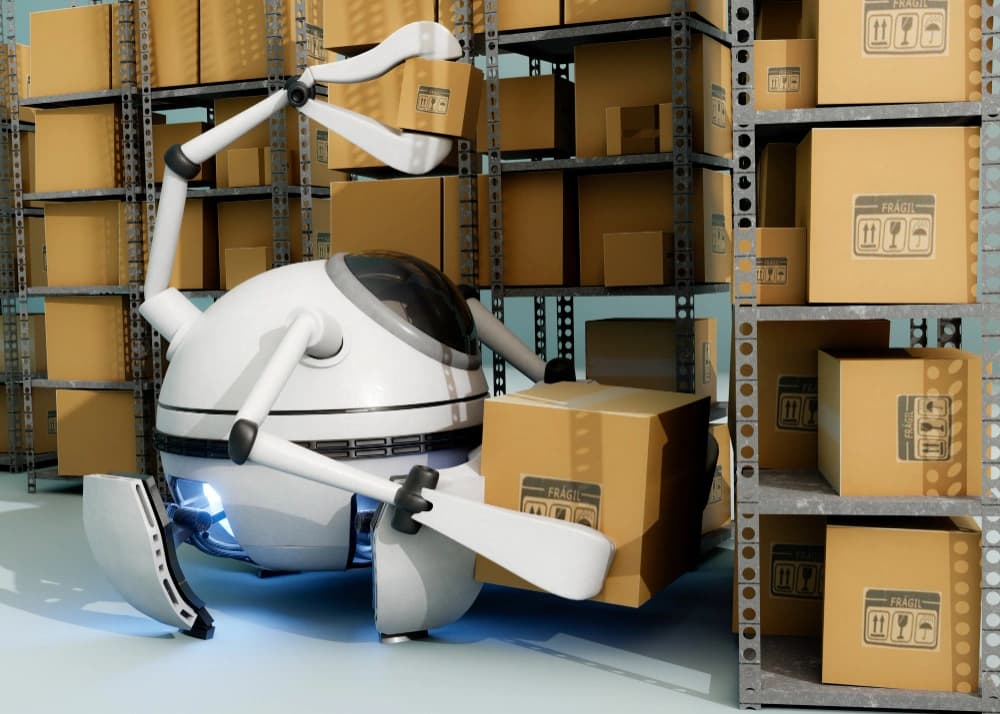
Every logistics vendor lists 'AI route optimisation' on their landing page. The phrase is now so diluted it tells you almost nothing about what the system actually does.
This article looks at where AI genuinely changes logistics operations — and where the marketing has run ahead of the technology.
#1From routes to operational orchestration
Route optimisation by itself optimises the wrong thing: a single vehicle's path with everything else fixed. Modern logistics platforms instead optimise the orchestration — which order goes to which vehicle, with which driver, on which lane, with which service-level promise — in a continuous loop.
#2Real-time decisioning, not nightly planning
Plans created at 2am for the next day's operations are obsolete by 9am. Real-time decisioning treats the plan as a living document, updated against telemetry, traffic, demand surges, and exceptions every few minutes. Reactive replanning is what separates AI-driven logistics from automated dispatching.
#3Why data quality determines model quality
The most valuable investment most logistics CTOs make is not in models — it is in the data platform feeding them. Address normalisation, accurate dwell-time measurement, GPS smoothing, and driver-input validation move the needle on model accuracy more than any new algorithm.
#4The dispatcher is the user, not the model
Dispatchers do not want a black-box plan; they want a confident recommendation with the reasoning visible and an obvious override path. We design our logistics products around the dispatcher's mental model: ranked options, justification, and rollback in one click.
The takeaway
AI in logistics is most valuable when it makes the dispatcher faster, not when it tries to replace them. The teams that win pair strong models with operational UX that earns trust hour by hour.
Frequently asked questions
- Is reinforcement learning worth it for routing?
- It can be, but only at scale. For most operations a combination of mixed-integer programming, heuristics, and ML for ETA prediction outperforms reinforcement learning in production reliability.
- How do we handle telematics data quality?
- Invest in a normalisation layer at the edge: deduplicate signals, smooth jitter, infer dwell vs. stop, and validate against the geofence boundary before persisting. Garbage telemetry produces garbage decisions.
Similar articles
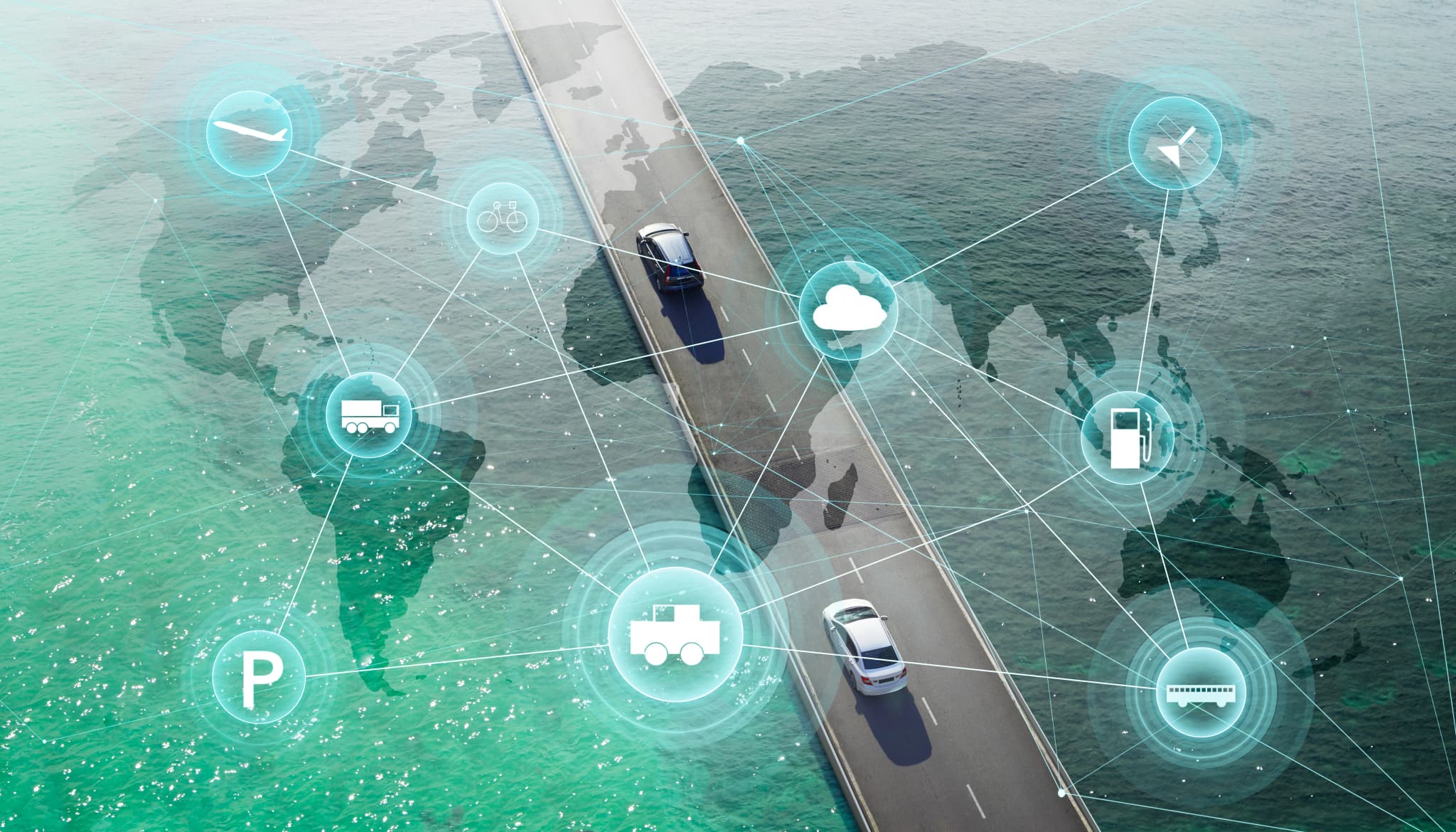 Logistics & Transportation
A CTO's Guide to Migrating from a Legacy TMS to a Cloud-Native Architecture
Transportation Management Systems are the operational heart of logistics. Migrating them off legacy infrastructure is a high-stakes, high-reward project.
 Logistics & Transportation
The ROI of IoT: Turning Your Fleet Telematics Into Actionable Data
Telematics hardware is rarely the bottleneck. Most fleets sit on years of telemetry without turning it into operating leverage. Here is how to fix that.
 On-Demand Services
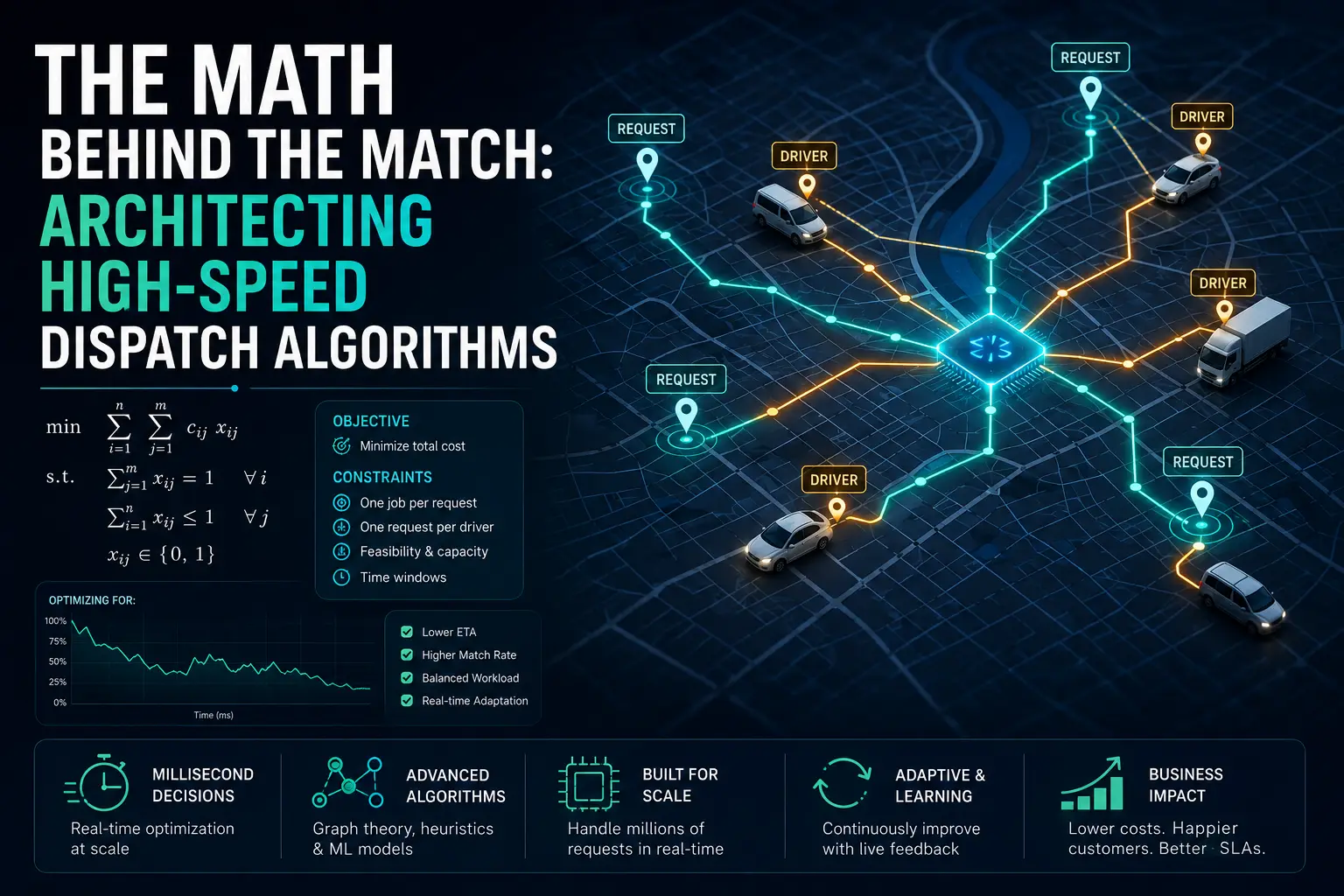
The Math Behind the Match: Architecting High-Speed Dispatch Algorithms
Dispatch is the heart of every on-demand product. Doing it well is a deeply quantitative problem — and the wrong abstraction will sink the product before launch.