



UK AMBITION · CONNECTED ENGINEERINGMobile App Development Company in United Kingdom Useful by design.

Turn a promising idea into a mobile product people can use, trust and return to. VGD Technologies builds iOS, Android and cross-platform applications for UK businesses, with AI solutions that make everyday tasks simpler.

From a focused first release to a connected enterprise platform, bring your product, design and engineering into one practical delivery plan. Work with our international team around agreed UK meeting hours, clear responsibilities and visible progress.

* India-based engineering. Collaboration with UK businesses around agreed UK meeting hours, clear responsibilities and visible progress.

UK Delivery Focus:
✓ iOS & Android
✓ AI integration
✓ UK-focused delivery
✓ Agreed UK overlap
8+
Years In Custom Software Development
100%
Project Delivery Success Rate
50+
Full-Stack Developers & AI Engineers
10+
Countries Served Globally
8+
Years In Custom Software Development
100%
Project Delivery Success Rate
50+
Full-Stack Developers & AI Engineers
10+
Countries Served Globally
Fit2Flaunt logo
MyLab logo

Trusted By 50+ Global Innovators

5.0🌟 On ClutchTop rated Plus on Upwork

Calliope logo
Next Deavor logo

Mobile app development services in UK, built around your business

A useful app connects customer needs with the systems, people and decisions behind your business. We help you define that connection before adding features.

VGD Technologies provides mobile app development for founders, growing organisations and established teams serving the United Kingdom. Our work can cover product discovery, interface design, engineering, testing, release preparation and ongoing improvements. You can start with a new concept, an existing design, or a product that needs a more dependable technical foundation.
For businesses choosing a mobile app development company in UK markets, delivery transparency matters. Our international engineering team supports your UK product goals. VGD is based in India; this page describes our UK service coverage rather than a claim of a UK office. We agree communication hours, delivery responsibilities and commercial terms around your organisation.
THE PRACTICAL ANSWER

What can we help you build?

Customer apps, booking platforms, business tools, digital memberships and AI-enabled experiences. Your project can combine native or cross-platform interfaces, secure APIs, administrative tools and relevant AI capabilities.

Start with one important user journey and a measurable outcome. A clearer brief makes platform selection, estimation and supplier comparison more useful.

From a first idea to a working product

Our custom mobile app development services cover the support your project needs today. Keep product decisions, app design and engineering connected as your roadmap develops.

01

Custom mobile app development

Your workflows, business rules, and customers rarely fit a standard template. Our custom mobile app development services give you control over how the product works, from onboarding and account permissions to payments, content, and reporting. We shape the application around the journey users need to complete.

Define the customer app, operational dashboard, and backend together. This helps avoid a polished mobile interface sitting on top of manual processes. Where a wider platform is needed, connect the roadmap with our custom software development services.
02

Custom iOS app development services

Build an iPhone or iPad experience around the expectations of Apple users. Our custom iOS app development services cover interface design, application logic, device features, testing, and release preparation. We consider how people move between screens, recover from errors, and complete important actions.

Native development can be a good fit when your product depends heavily on Apple-specific capabilities or a closely tailored platform experience. The scope should include supported devices, accessibility behavior, account recovery, and ongoing operating-system compatibility—not just the first set of screens.

03

Custom Android app development

Reach Android users with a product designed for a varied device landscape. We plan layouts, permissions, background behavior, and network handling alongside the core features. Testing priorities follow the devices and usage conditions that matter to your audience.

Our Android app development approach can support consumer products, employee applications, and field workflows. For an operational app, we also discuss shared devices, intermittent connectivity, barcode scanning, and managed distribution where relevant. These details influence architecture early and reduce surprises during rollout.

04

Cross-platform app development services

Flutter and React Native can help teams deliver iOS and Android applications while sharing substantial parts of the codebase. This is useful when both platforms need similar functionality and your roadmap benefits from coordinated releases.

Cross-platform app development services still require platform-specific testing, native integrations, and thoughtful interface decisions. We assess the difficult features first—such as background location, connected devices, or complex media—before recommending a framework. Shared code is valuable when it simplifies the product lifecycle, not when it creates hidden compromises for users.

05

MVP app development for startups

A first release should test a business assumption with a usable product. We help separate the workflow that creates value from features that can wait. That might mean launching one booking journey, one subscription experience, or one operational use case before expanding.

Our MVP development services connect scope, design, engineering, and measurement. Define the audience, launch criteria, and feedback questions before building. You then have a practical basis for deciding whether to improve activation, change the offer, or invest in the next feature.

06

Enterprise mobile app development

Enterprise mobile app development services need to fit existing systems and responsibilities. A sales app may depend on CRM data; a field service app may need dispatch, inventory, and approvals. We map these dependencies so the mobile product supports the way your organization operates.

The scope can include role-based access, single sign-on integration, audit events, administration tools, and controlled rollout. Our API development and integration services help connect those components. We agree who owns each system, how changes are reviewed, and what happens when an integration is unavailable.

Looking for something else? Explore our full range of mobile application development services and discuss your specific project.

Which app platform fits your next release?

Platform choice follows the product. Compare user expectations, device requirements, available skills and ongoing maintenance before making the decision.

Native and cross-platform options at a glance
ApproachUseful whenQuestions to resolve
Native iOS
iOS Native
Apple-specific interactions or device capabilities are central.Which iPhone features are essential? Is an Android version planned?
Native Android
Android Native
Android device integration or workforce hardware drives requirements.Which devices, OS versions and offline journeys must work?
Flutter
Flutter
A consistent interface and shared delivery across platforms matter.Which plugins, native integrations and accessibility behaviours need validation?
React Native
React Native
Shared app logic and an existing React ecosystem fit your team.Who will own native modules, upgrades and platform-specific testing?

A mobile app development company should explain the trade-offs behind its recommendation. A shared codebase does not remove the need for two-store testing, and native development does not automatically produce a better customer experience. The right decision is the one your product and team can sustain.

Our discovery work can include a technical prototype for uncertain integrations. Validating a camera workflow, Bluetooth connection or audio feature before full delivery reduces the chance of discovering a platform limitation late in the project.

AI app development. Useful by design.

VGD works with AI solutions as part of connected digital products. Our AI mobile app development approach connects intelligent features with practical user needs. We focus on the tasks AI can improve and the controls that keep the experience dependable.

FROM QUESTION TO ACTION

Help users find, understand and do more

Our AI app development services can connect a mobile interface to approved business knowledge, language models and workflow tools. A customer might ask a question in everyday language, receive an answer linked to relevant information, and then complete a permitted action.

We scope generative AI application development around a specific use case, available data and an evaluation plan. A helpful feature needs more than a prompt: it needs access controls, clear boundaries, useful failure states and a way to measure whether answers actually help.

Your app→Approved knowledge→AI response→User review

Conversational assistance

Offer guided support, product discovery or onboarding through an AI assistant. Keep the conversation grounded in approved sources and provide a route to human support when the request falls outside its scope.

Personalisation and recommendations

Help users discover relevant content or products. Begin with the available data, a useful baseline and explicit success measures. Machine learning should improve a real journey rather than introduce complexity without evidence.

Intelligent workflow automation

Summarise documents, organise incoming requests or prepare draft responses. Separate suggestions from actions that change records, make purchases or affect people, and add review steps appropriate to the task.

How we evaluate AI in mobile app development

We define representative questions, expected behaviour and unacceptable outcomes before release. Evaluation can cover answer relevance, source support, response time, escalation and cost per completed task. Test cases should include incomplete questions and attempts to access information the user is not authorised to see.

AI-powered apps also need monitoring after launch. We plan how to handle provider changes, model updates and unexpected answers, with a conventional workflow available where appropriate. A useful fallback can protect the user experience when an AI service is slow or unavailable.

Choose AI capabilities that fit your data

For UK businesses, discovery should clarify what information leaves the device, which services process it and how long it is retained. We discuss those decisions with your product, security and privacy stakeholders. Sensitive workflows may need additional assessment before implementation.

When comparing mobile app development companies, ask them to demonstrate their AI evaluation approach and explain ongoing model costs. Our intelligent automation services can support the workflows around the app as well as the interface itself.

Mobile app design services that reduce everyday friction

A confident interface helps people understand where they are, what they can do and what happens next. We design around those moments.

YOUR NEXT STEP ●●

Good morning,
Alex.

Make room for what matters.

YOUR APPOINTMENTProduct discoveryThursday · 10:00
Project briefReady ✓
Your team3 people
View your plan ↗Illustrative interface concept

Start with the journey, then shape the screens

We map the steps a person takes to complete a meaningful task, including errors and interruptions. This exposes confusing requirements before they become expensive engineering decisions. A clickable prototype lets stakeholders discuss an experience rather than interpret a long feature list. Mobile app design services should account for readable type, comfortable touch targets, helpful labels and understandable feedback. Accessibility considerations include text resizing, screen reader order, keyboard interaction where relevant, contrast and alternatives to information conveyed only by colour.

Make UK localisation feel considered

British English, GBP pricing, familiar date formats and suitable address inputs all affect confidence. Localisation also includes support hours, refund explanations and the language used when something fails. We review these details against your audience instead of treating them as final cosmetic changes. When assessing mobile app development companies, look beyond attractive concept screens. Ask how the interface handles a failed payment, a lost connection, a forgotten password or a user who needs larger text. Those journeys reveal whether design and engineering are working together.

Different industries. Specific product decisions.

We shape mobile application development services around the people using the product, the information it handles and the systems it must connect.

Retail and ecommerce

Connect browsing, product availability, checkout and order support. Relevant features may include saved preferences, loyalty benefits and recommendations. We map the relationship between the app, commerce platform and fulfilment systems so the customer sees consistent information.

Explore

Healthcare and wellbeing

Support appointments, guided programmes, content and appropriate communications. Sensitive information requires careful access, retention and operational decisions. Clinical features need specialist review; a general wellness workflow and a clinical decision tool have different requirements.

Explore

Fintech and financial services

Make account journeys and financial information easier to understand. Identity, transaction states, auditability and fraud controls need early attention. We work within the responsibilities agreed with your regulated providers and specialist advisers.

Explore

Logistics and field operations

Give teams access to tasks, updates and evidence while they are on the move. Offline capture, synchronisation, location permissions and device management can shape the architecture. The goal is less duplicated work and clearer operational visibility.

Explore

Education and membership

Bring courses, content, communities and subscriptions into a coherent experience. We consider progress tracking, content access and moderation alongside the core interface. Where children may use the product, additional design and privacy review belongs in discovery.

Explore

Travel and booking

Help customers find availability, reserve services and manage changes. Booking rules, cancellations, time zones and payment states should remain consistent across systems. Clear confirmations and recovery flows reduce uncertainty when plans change.

Explore

See the product thinking behind the interface

Explore examples featured on VGD’s existing website. These demonstrate relevant product categories; they are not presented as UK client references.

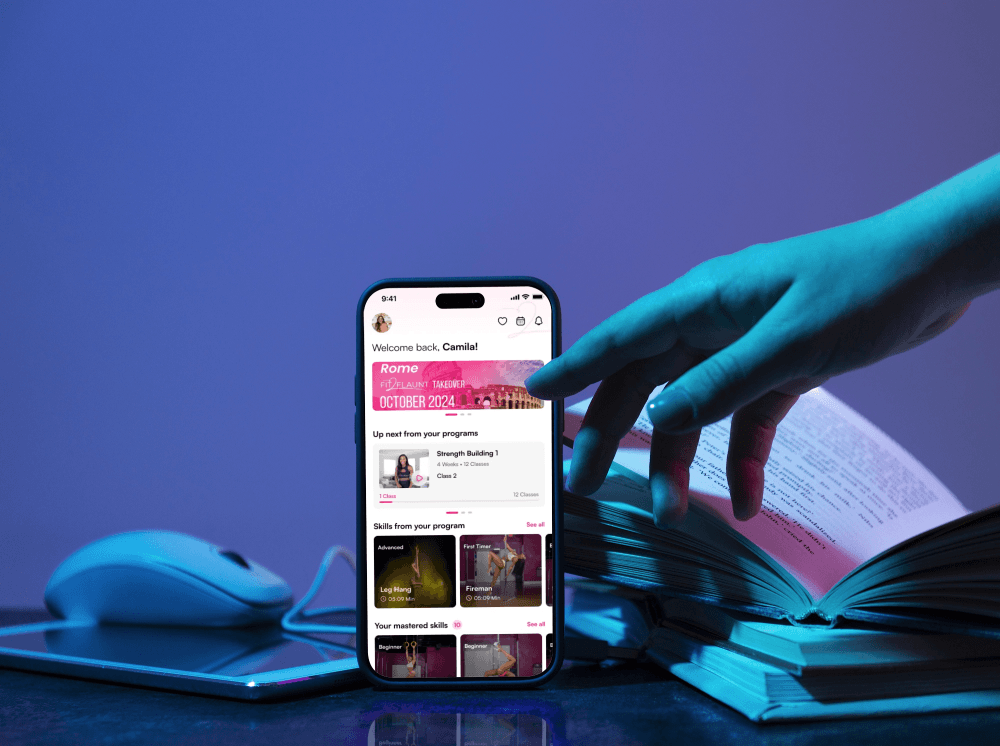
Fit2Flaunt fitness application shown across mobile devices
FITNESS / MOBILE EXPERIENCE

Fit2Flaunt

A fitness experience that brings guided activity and digital engagement into a mobile product. For a similar project, the useful discovery questions include how people find the right content, track progress and stay connected to a programme.

We can discuss the relevant engineering approach and evidence available for your brief. A portfolio review is most valuable when it connects actual work to the challenges your product needs to solve.

SwiftJetpack ComposeNode.js
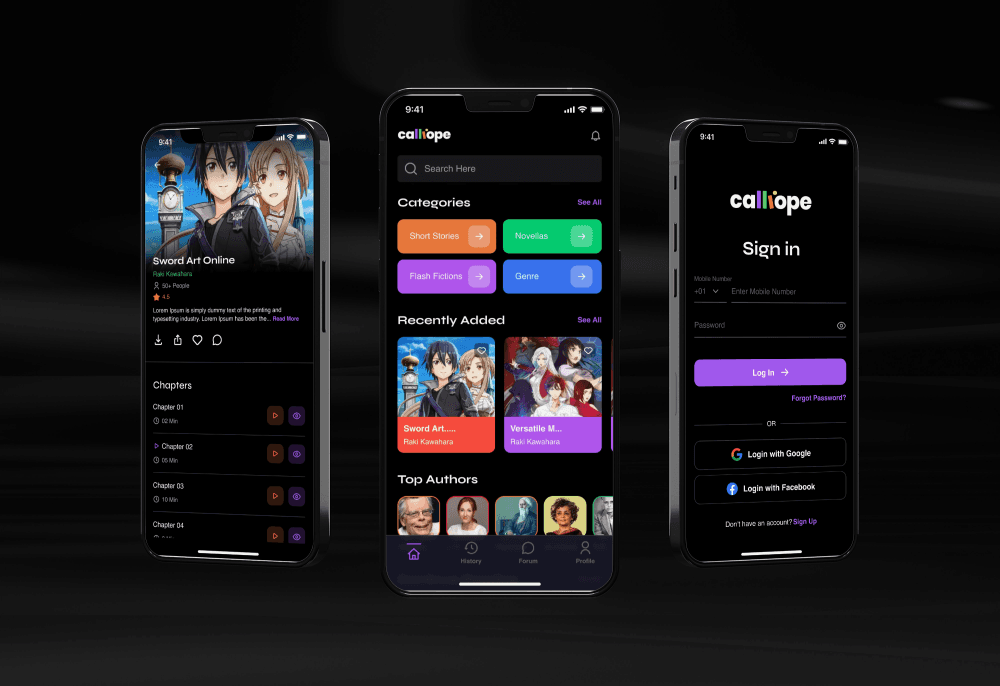
Calliope interactive reading application on mobile screens
MEDIA / INTERACTIVE READING

Calliope

An interactive reading experience combining animated ebook content with social elements. Products like this bring content presentation, navigation and performance together.

Ask us about the engineering decisions relevant to your own media experience. We can discuss the technical architecture and delivery model appropriate to your product goals.

React NativeAudio AINode.js

Explore more of our featured case studies, live production apps, and technical roadmaps.

Explore VGD’s portfolio↗

A mobile app development process with clear decisions

Each stage creates something you can review. We agree who makes decisions, what acceptance means and which dependencies could change the plan.

01

Discover the problem

We discuss the audience, business model, critical workflows and existing systems. Together we identify the first-release outcome, assumptions and constraints. The result is a practical scope direction and a list of questions to resolve before significant engineering begins.

02

Prototype the experience

We turn important journeys into reviewable designs and test uncertain interactions. Stakeholders can identify gaps in language, navigation and business rules. This is also the stage to consider accessibility and confirm whether the proposed experience solves the intended problem.

03

Plan the architecture

We define the app, backend, integrations, data flows and operational responsibilities. High-risk dependencies can receive a technical proof of concept. Scope, milestones, assumptions and exclusions become easier to estimate when the architecture and acceptance criteria are explicit.

04

Build in reviewable increments

Engineering progresses through agreed priorities with demonstrations of working functionality. You can review progress and make informed trade-offs as new information appears. Changes are discussed with their impact on cost, timing and other commitments before they enter the plan.

05

Test the complete journey

We test functionality, integrations and the agreed device coverage. Release preparation considers performance, permissions, error handling and recovery. Your team reviews acceptance scenarios, while specialist security or sector testing can be included where the project requires it.

06

Release, observe and improve

We prepare the agreed store submission materials, operational handover and monitoring. Store approval remains subject to platform review. After launch, observed issues and product data help prioritise fixes and improvements instead of letting the roadmap rely on assumptions alone.

International delivery. A clear UK working rhythm.

Your mobile app development company should make collaboration predictable. A mobile app development agency should explain its working rhythm clearly. Agree the operating model before the project becomes busy.

Agreed UK meeting hours

We establish overlap for planning, demonstrations and decisions in UK time, accounting for GMT and BST. Written updates support work between meetings. Your project plan should name the product contact, engineering contact and escalation route.

A time-zone agreement is more useful than a vague promise of constant availability. Support coverage and urgent response arrangements are scoped separately from routine project communication.

Visible scope and ownership

Define what is included, what depends on a third party and what your team must supply. Access to designs, code, environments and delivery documentation should be addressed in the agreement. Ownership and licensing terms need to be explicit.

Mobile app development companies can package similar services differently. Compare acceptance criteria, handover responsibilities and support exclusions alongside the headline price.

A model that fits the uncertainty

A discovery engagement can resolve an early idea. A defined build can suit stable requirements. Ongoing product engineering may suit a changing roadmap or an existing app with regular releases.

We discuss which model fits your starting point. If you already have a team, identify the skills and responsibilities you need before deciding whether an additional app developer or a broader delivery team is appropriate.

What determines mobile app development cost?

The most useful estimate explains the work, assumptions and running costs behind the number. Request a project-specific proposal in your preferred currency.

Price the complete product

Mobile app development cost depends on the number and complexity of user journeys, platform choices, integrations, data migration, quality requirements and release responsibilities. An app with a simple catalogue is a different undertaking from a marketplace with payments, multiple roles and operational tools.

We begin with the problem, then identify the work required for a dependable first release. A meaningful proposal separates discovery, design, engineering, testing and support, with assumptions that make the estimate reviewable. GBP presentation, taxes and payment terms should be confirmed in the commercial proposal.

When comparing mobile app development companies, ask each supplier to price the same scope. A low estimate may omit administrative tools, integration work or post-launch support. Understanding those differences is more useful than comparing totals without context.

Include these in your brief

  • ✓Users, roles and the main problem to solve
  • ✓Essential journeys and first-release priorities
  • ✓iOS, Android and device requirements
  • ✓Existing systems, APIs and migration needs
  • ✓AI features, data sources and review controls
  • ✓Launch constraints and support expectations

Plan for AI app development cost

AI features may add model usage, retrieval, storage, monitoring and evaluation costs. Estimate expected task volume and test representative requests. A feature with a small development footprint can still create significant recurring costs if usage grows or responses require substantial processing.

Use this approach to question an estimate: which work packages contribute the hours, what is excluded, and where is uncertainty highest? The answers are more useful than a price that looks precise without describing the work.

Protect room for learning

Prioritise essential features and reserve capacity for feedback, fixes and operational improvements. We can help phase the roadmap so you learn from a smaller release before funding every idea. Any provisional estimate should state what remains uncertain and how it will be resolved.

Bring any fixed business deadline to discovery. We can discuss what must be ready, what can follow later, and which dependencies need attention immediately. Request a scope discussion to turn the idea into a phased plan.

Privacy, security and accessibility from the start

These are product decisions throughout delivery. We work with your stakeholders to turn requirements into implementation and verification tasks.

Make data flows understandable

Identify the information your product needs, why it is collected, who can access it and when it should be removed. These decisions influence forms, account settings, storage and operational tools. The ICO describes data protection by design as a consideration throughout the product lifecycle.

For a UK project involving international delivery or third-party AI services, your privacy review should also examine processing locations, supplier responsibilities and any applicable transfer arrangements. Engineering controls support that review; they do not replace legal assessment or establish compliance by themselves.

Translate requirements into checks

Depending on scope, implementation can include role-based access, protected credentials, secure transport, audit events, backup and recovery procedures, and testing for unintended access. Accessibility checks should cover real journeys on representative devices, not simply a design checklist.

A mobile app development company should be clear about what it tests internally and what needs independent review. Ask for the evidence and acceptance criteria relevant to your risks. Specialist assessment can be planned without claiming that a framework or technology makes the entire product automatically compliant.

A practical starting point

Before the first public release, walk through one complete customer journey and one operational exception with the people who will own them. Confirm what the user sees, what the system records, and what support can do. This exercise often reveals missing information that a screen-by-screen review overlooks. We can include this readiness review in the delivery scope and use its findings to prioritise launch decisions.

Keep your app dependable as the product grows

Launch creates a new operating responsibility. Agree how the application will be monitored, maintained and improved before it reaches customers.

KEEP IT HEALTHYMaintenance and compatibility

Plan for operating-system changes, dependency updates, integration changes and bug fixes. Support agreements should define coverage, severity levels and responsibilities. Response targets need to be agreed; they should not be assumed from the development contract.

KEEP IT USEFULMeasure meaningful behaviour

Use an agreed measurement plan to understand activation, task completion and recurring friction. Collect only the data appropriate to the purpose. Product decisions should combine observed behaviour with customer feedback and your operational experience.

KEEP IT EVOLVINGImprove without losing focus

Prioritise the next change against its expected value and technical impact. Mobile app development companies should help you maintain a coherent roadmap as requests accumulate. A regular review makes it easier to distinguish urgent fixes from speculative additions.

Plan support before launch day. Agree the update rhythm, monitoring and critical responsibilities early.
Discuss support options ↗

How to compare mobile app development companies

Look for evidence, clear communication and a delivery approach that fits your organisation. The strongest proposal helps you understand the decisions ahead.

01

Ask for relevant work

Review products with similar workflows, technical dependencies or user needs. Ask what the supplier actually delivered, which responsibilities sat with others and what can be demonstrated. A recognisable logo alone does not explain project fit.

✓
02

Review the team and process

Understand who will design, build, test and coordinate the work. Ask how changes are estimated and how decisions are documented. Good communication should remain practical during delivery, not only during the sales conversation.

✓
03

Check the AI approach

For intelligent features, request a discussion of data access, evaluation, costs and fallback behaviour. Mobile app development companies offering AI should be able to explain how they will test the specific task your product needs.

✓
04

Understand the handover

Confirm repository access, credentials, documentation, licensing and support arrangements in writing. A mobile app development company should help you understand how the product will be operated and maintained after the initial engagement ends.

✓
BRING THE DIFFICULT QUESTIONS.

We welcome a conversation about scope, risks, technical choices and evidence. Start with your brief and we will identify the information needed to make the next decision useful.

Discuss your requirements ↗

Supporting teams in 10 UK cities and beyond

Work with VGD wherever your UK team is based. Select a city to personalise your project enquiry.

Our mobile app development services in UK support remote collaboration across England, Scotland, Wales and Northern Ireland. City coverage describes the clients we can work with, not physical office locations. The same project discovery, engineering and review process applies across regions.

Collaboration Focus

Building an app in London?

Plan a mobile product with your London team, with agreed UK meeting hours and a clear delivery plan.

Discuss your London project ↗

If you are exploring mobile app development in London, Manchester or another UK centre, start with the problem your team needs to solve. Your location helps us plan communication and stakeholder availability; your product requirements determine the solution. Distributed organisations can bring colleagues from several locations into the same delivery process. We agree meeting windows, feedback owners and a shared record of decisions so the project does not depend on everyone being in one room.

YOUR QUESTIONS, ANSWERED

Start with your product requirements, then compare relevant work, technical reasoning and delivery responsibilities. Ask who will build the application, how you will review progress and what happens after launch. A useful proposal explains assumptions and exclusions as well as price. VGD can discuss your brief and show relevant examples from our portfolio. If your organisation requires UK-based staff or a specific contracting arrangement, raise that early so suitability can be assessed before detailed planning.
A project can include discovery, design, iOS or Android engineering, backend development, integrations, testing and release preparation. Maintenance and product improvements can be scoped separately. The precise package depends on your starting point: a new idea needs different support from an existing application with a defined backlog. Our mobile services overview explains the broader capabilities. We recommend documenting deliverables and acceptance criteria so both teams understand what the first engagement is intended to achieve.
The best fit is a team that understands your stage, budget constraints and learning goals. Look for evidence that it can simplify scope, validate risky assumptions and deliver a usable first release. A large feature list is not necessarily a useful starting point. Ask prospective mobile app development companies how they would sequence your idea and what they would postpone. VGD’s MVP development approach can help turn an early concept into a focused plan with clear priorities.
There is no dependable single price without a scope. User roles, platforms, integrations, design complexity, data migration and quality requirements all affect the work. Ask for an estimate that separates build costs from hosting, third-party services and support. Confirm whether the proposal is presented in GBP and how taxes and payment terms are handled. You can share a project brief to discuss an estimate; the most useful brief describes the essential journeys and the systems your app must connect.
The schedule depends on scope, design readiness, integration access, review speed and testing requirements. A focused first release and a complex multi-role platform should not be given the same timeline. Discovery helps identify dependencies and establish a staged plan with review points. Store review and third-party approvals can introduce timing outside the delivery team’s control. If you have a fixed business deadline, explain it at the start so features can be prioritised and the feasibility of that date can be assessed.
Choose according to device capabilities, user expectations, integrations and the people who will maintain the product. Native approaches can suit platform-specific needs; Flutter or React Native can support shared delivery when the two experiences are similar. Neither option removes the need for appropriate testing. Explore our mobile app development services and discuss any technically uncertain feature before deciding. A small prototype can help validate an integration whose behaviour would otherwise be an assumption in your project estimate.
Yes, subject to a review of the existing architecture, data access and intended use case. Possible additions include an assistant, search, summarisation or recommendations. We identify the user task, available information and evaluation criteria before selecting an approach. AI in mobile app development also involves permissions, monitoring, fallback behaviour and ongoing service costs. Our generative AI services provide a starting point for discussing whether a feature can be introduced incrementally without rebuilding the entire application.
Ask what data the feature needs, how access is controlled, how outputs will be evaluated and what happens when the model is wrong or unavailable. Discuss expected usage and recurring costs alongside the build estimate. Request examples of representative test cases rather than relying only on a demonstration. A mobile app development company offering AI should explain the operational responsibilities after release. VGD can help scope these questions through a focused discussion of your workflow, users and existing technical environment.
A mobile product can connect to a suitable language-model service through an appropriately designed backend. The right choice depends on the task, data requirements, quality, latency and commercial terms. Private credentials should be protected, and access to business information should follow the user’s permissions. We can assess an assistant grounded in approved content, with human review for consequential actions. A familiar model brand alone does not determine whether the resulting experience will be useful for your customers or staff.
We begin by mapping information flows, access, retention and third-party processing with your stakeholders. This helps turn privacy requirements into interface, infrastructure and operational decisions. International delivery and AI integrations may need additional review of supplier arrangements and processing locations. Your legal and privacy advisers should confirm the applicable obligations; implementation work is not a blanket compliance guarantee. Our privacy policy and delivery review describe the practical standards we follow, including where independent assessment may be appropriate for your product.
No. The city cards describe UK service coverage through remote collaboration, not office locations. VGD is based in India and works with clients internationally. We agree UK meeting windows, project contacts and review responsibilities for each engagement. If your procurement process requires a particular supplier location, data arrangement or in-person attendance, tell us before planning the work. You can contact our team to personalise an enquiry without implying that a dedicated local office or city-specific service page already exists.
Yes, integration can be included after assessing the available APIs, authentication, data quality and provider limitations. We map which system owns each record and how updates, failures and retries should behave. A mobile interface can only be dependable if the connected services support its workflows. Our API development and integration services can cover this work. Access to documentation and a suitable test environment helps validate assumptions before a final scope is agreed.
Ownership, licensing and access should be defined in your contract. We recommend discussing source repositories, design files, infrastructure, third-party components and app store accounts before delivery starts. Your business should understand what it can operate independently and what continuing services it needs. Do not assume that every item transfers under identical terms, particularly licensed components. Ask for a documented handover plan covering credentials, release instructions and operational responsibilities so there is a clear route from development into ongoing product ownership.
Ongoing support can be agreed around the needs of your application. It may include issue triage, compatibility updates, dependency maintenance and planned improvements. Define support hours, response targets, severity levels and exclusions separately from the initial build. AI services and third-party integrations also need ownership when providers change behaviour or terms. Our mobile app maintenance services explain our planning approach. We discuss the appropriate arrangement during scoping so the transition from delivery to operation has clear responsibilities.
We can assess an existing product before recommending a takeover plan. The review may cover code quality, dependencies, build instructions, environments, outstanding issues and access to accounts. It should identify what is reusable, what needs repair and which assumptions remain unresolved. A mobile app development company should avoid promising a takeover estimate without understanding that starting point. Bring the available documentation and repository access details to the initial discussion; sensitive access credentials should be exchanged through an agreed secure process.
Accessibility and usability should be defined through requirements and tested in representative journeys. We consider readable content, touch targets, contrast, text resizing, screen reader behaviour and understandable error messages. The exact testing scope depends on the product and audience. Independent accessibility assessment can be included where appropriate. A prototype is useful for finding navigation issues early, while testing on actual devices helps reveal behaviour that a static design cannot show. Review our UI/UX design services for examples of the questions we ask.
Start with the business outcome and the user behaviour that supports it. Suitable measures might include completed bookings, successful onboarding, repeat use or reduced manual handling. Choose a small set of meaningful indicators and agree how they will be collected responsibly. Downloads alone rarely explain whether a product is useful. We can help connect the measurement plan to the first-release goals, then use customer feedback and operational evidence to guide the next improvement rather than adding features without a clear purpose.
Bring a short explanation of the audience, problem, essential journeys, target platforms and existing systems. Include any designs, launch constraints, budget guidance and relevant security requirements. For AI features, describe the task and the information available to support it. You do not need a finished technical specification to start. A clear business brief gives us a useful basis for discovery. Use the project enquiry form to prepare an email, or contact VGD directly with your initial questions.
Your idea deserves a clear plan.

Tell us who the app is for, which problem matters most and where you are today. We will use that context to discuss scope, platform options and the next practical step.

Let’s talk about your UK project

* India-based engineering. Collaboration with UK businesses around agreed UK meeting hours, clear responsibilities and visible progress.