RETS vs. RESO Web API: What CTOs Need to Know About MLS Integration
MLS integration sits at the heart of every real-estate product. Choosing the right standard — and modernising legacy integrations — pays off for years.

RETS shaped a generation of real-estate technology. RESO Web API is the future. Many CTOs are sitting on legacy RETS feeds that work — just not well enough for what the business now needs.
#1The MLS data problem in one paragraph
Multiple MLSs, multiple data dictionaries, inconsistent compliance rules, and integration latency that can break a search experience. MLS data is the most operationally critical and most operationally chaotic part of most real-estate platforms.
#2What RETS was, and why it persists
RETS standardised the dialogue between client applications and MLS servers in an era when SOAP and XML felt modern. It still works, and many MLSs still publish it, but it carries operational complexity that holds back roadmap velocity.
#3Why RESO Web API wins from here
RESO Web API is RESTful, JSON-based, OData-aligned, and continues to receive investment. New integrations should target it first; legacy RETS feeds should be migrated as MLSs publish RESO endpoints.
#4A pragmatic migration strategy
Abstract the MLS integration behind an internal contract that speaks RESO data dictionary terms. Implement adapters for RETS and RESO sources behind it. Migrate adapters one MLS at a time, never touching application code in the process.
The takeaway
MLS integration is the kind of plumbing that compounds quietly — get it right and every feature ships faster for years.
Frequently asked questions
- Will RETS be deprecated?
- Many MLSs are already shutting down RETS endpoints in favour of RESO Web API. Plan migration on a board-visible roadmap.
- How do we handle data dictionary inconsistencies?
- Normalise inbound payloads to a canonical RESO data dictionary at ingestion, then exclusively use the canonical form internally.
Similar articles
 Real Estate
How AI and Automated Valuation Models (AVMs) Are Reshaping Appraisals
AVMs are no longer back-office tools. They are now part of the lending decision and the consumer experience — and the bar for accuracy keeps rising.
 Real Estate
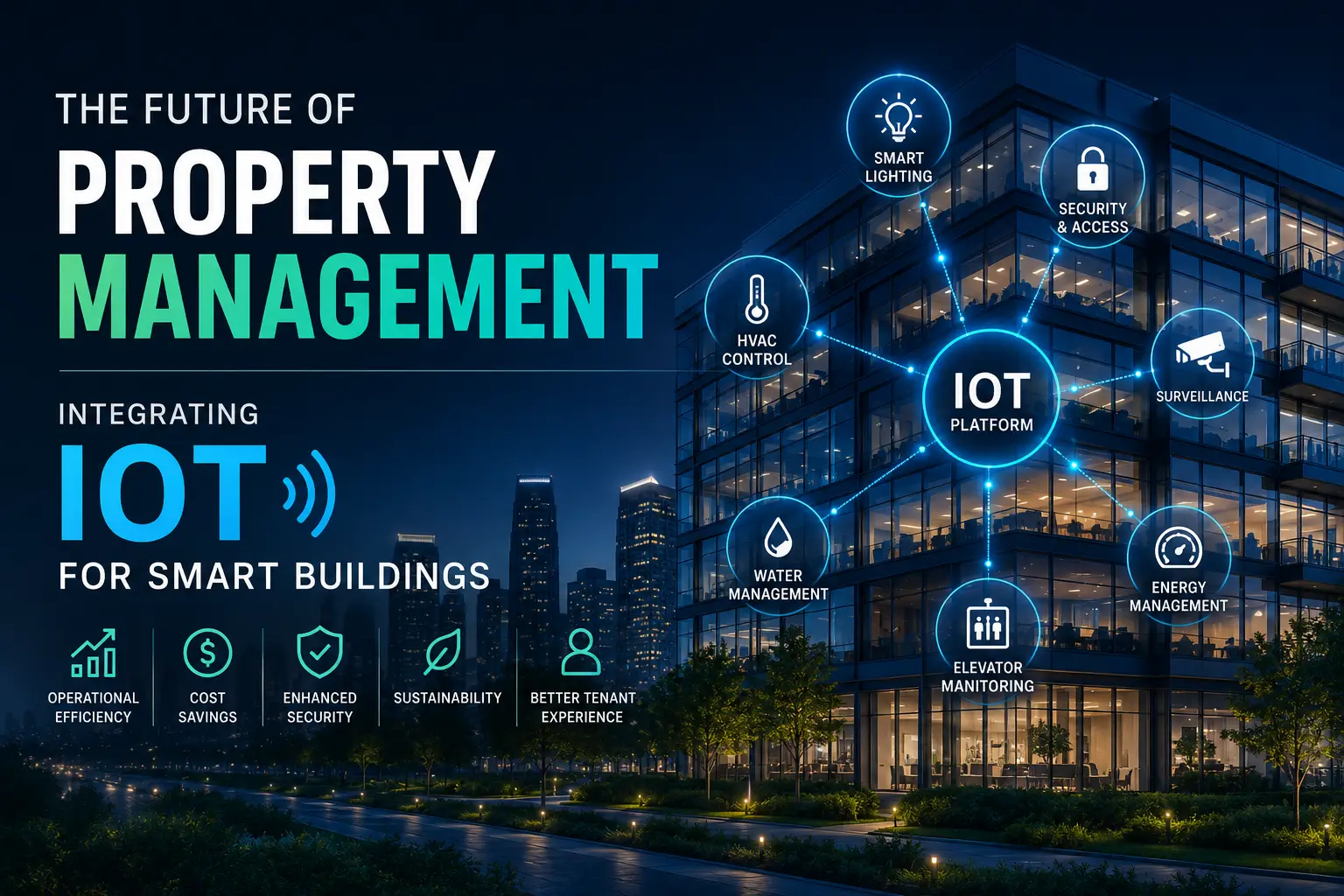
The Future of Property Management: Integrating IoT for Smart Buildings
Smart buildings are no longer a marketing brochure. They are now a measurable lever for operating cost, tenant satisfaction, and ESG reporting.
 Retail & E-commerce
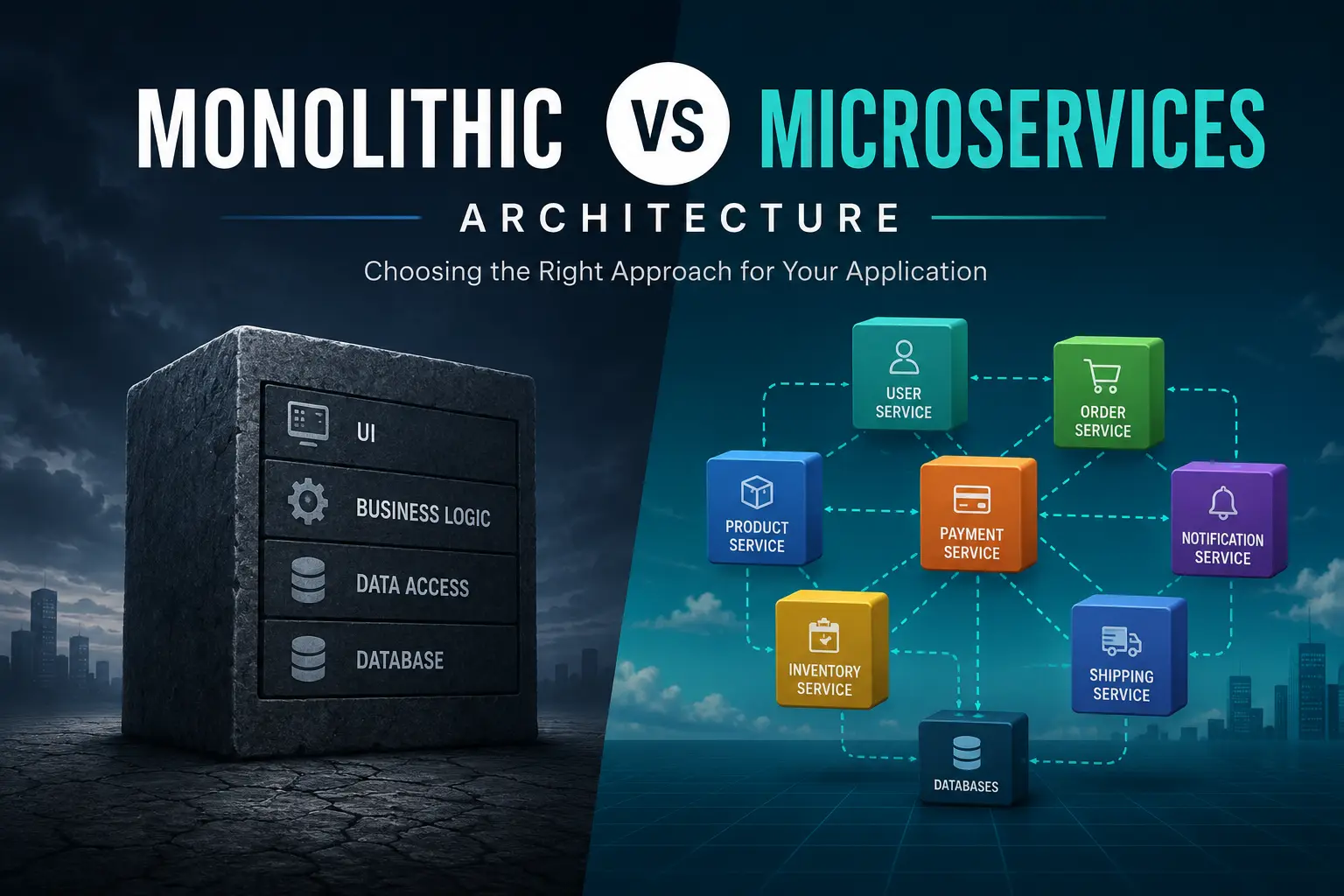
Headless vs. Monolithic E-commerce: What CTOs Need to Know
Headless commerce is not a strict upgrade — it is an architectural trade-off. Here is how to make the call without falling for the marketing.