The IT/OT Convergence: How to Safely Connect Your Factory to the Cloud
Connecting operational technology to enterprise IT unlocks enormous value — and equally enormous risk. Here is how to do it without breaking either side.

Factories used to keep their networks air-gapped for good reason. The economic upside of connecting the shop floor to the rest of the business is now too large to ignore — and the security implications too consequential to fumble.
#1Why convergence is now unavoidable
Predictive maintenance, real-time quality control, dynamic capacity planning — every modern manufacturing initiative depends on data leaving the shop floor and crossing into enterprise systems. The conversation has shifted from 'should we connect?' to 'how do we connect safely?'
#2The Purdue model — still useful, with updates
The Purdue enterprise reference architecture remains a useful mental model, but most real factories now collapse some of its zones and add new ones (edge compute, cloud telemetry). We modernise it rather than discard it: zones still exist, but each one publishes intentional data products to the next.
#3Security must lead, not follow
OT systems were designed for availability, not security. Bringing them into reachable networks means assuming compromise and limiting blast radius — segmentation, identity at the device, secure boot, signed firmware updates, and continuous monitoring tuned for OT signatures rather than IT ones.
#4A data platform built for the shop floor
Shop-floor data is dense, high-frequency, and operationally critical. We invest in a unified namespace at the edge, stream it to a time-series platform in the cloud, and expose curated marts back to operators on the floor — closing the loop in seconds instead of overnight.
The takeaway
IT/OT convergence is the platform layer of Industry 4.0. The factories that win the next decade will be the ones whose data and security architectures grew together — not the ones that bolted cloud onto an unchanged shop floor.
Frequently asked questions
- Can we run OT security tools on a normal SOC?
- Some, but most enterprise SOCs lack the protocol literacy for OT. A dedicated OT SOC — or an MSSP with OT depth — is usually necessary at scale.
- Do we need 5G in the factory?
- Sometimes. Private 5G excels for mobile assets and dense sensor deployments. Many factories still get more value from a well-designed Wi-Fi 6E network.
Similar articles
 Manufacturing & Industry 4.0
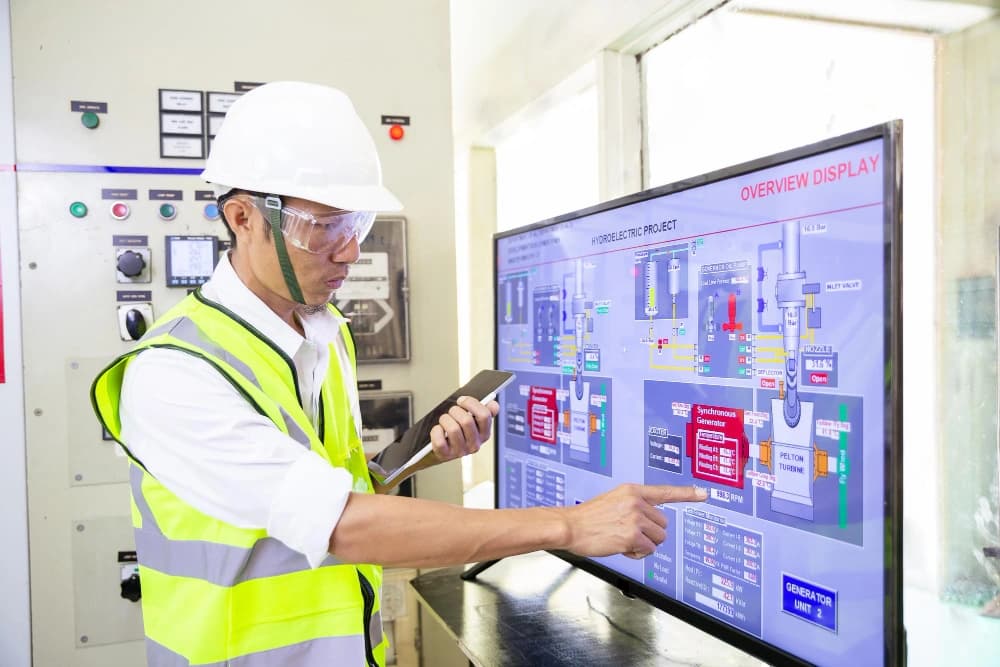
MQTT vs. OPC UA: Choosing the Right Protocol for Industrial IoT
MQTT and OPC UA are not competitors — they solve overlapping but distinct problems. Here is the engineering view of when to choose each.
 Manufacturing & Industry 4.0
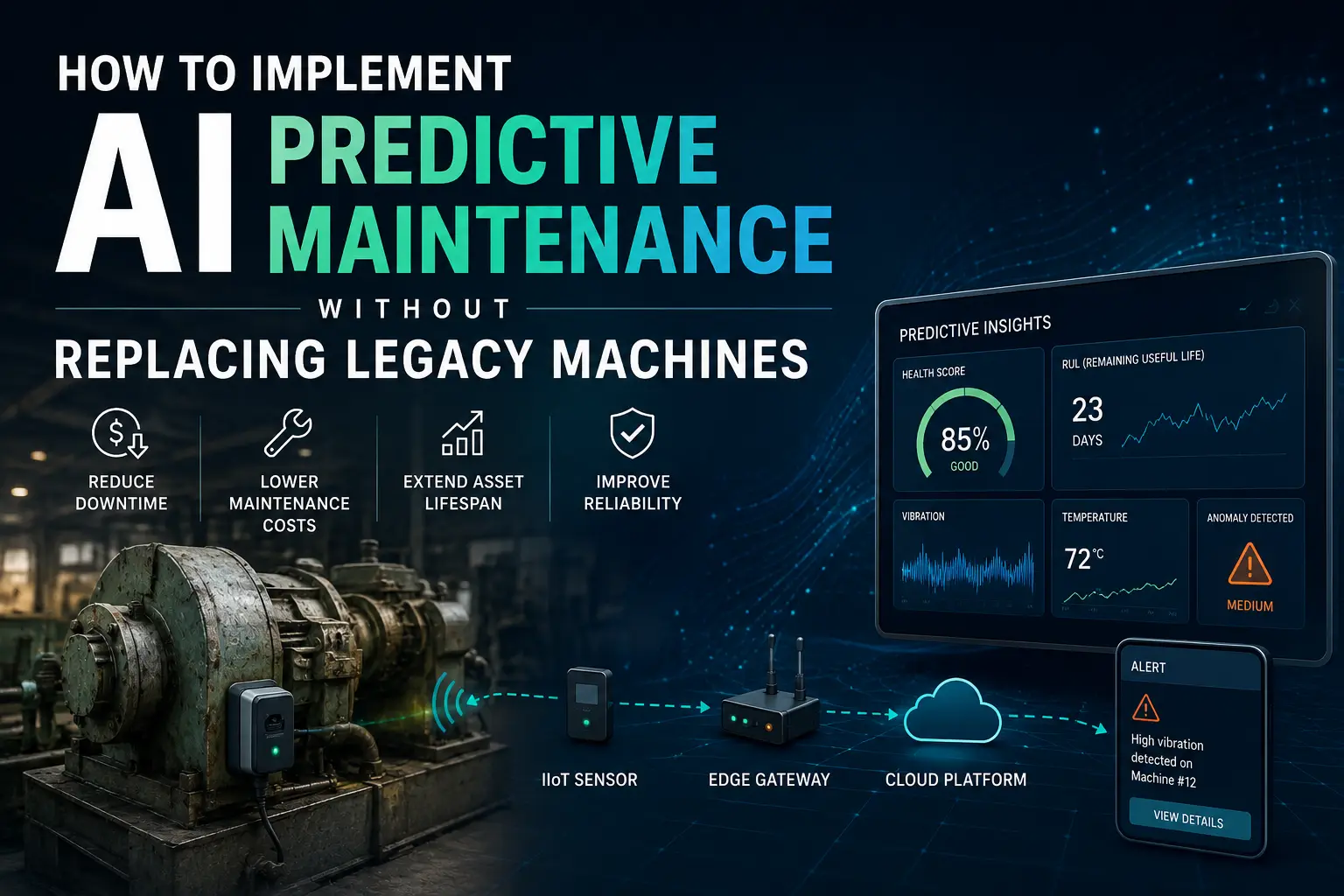
How to Implement AI Predictive Maintenance Without Replacing Legacy Machines
Predictive maintenance is one of the highest-ROI applications of AI in manufacturing — and most factories have the data already, even on equipment they cannot replace.
 Logistics & Transportation
The ROI of IoT: Turning Your Fleet Telematics Into Actionable Data
Telematics hardware is rarely the bottleneck. Most fleets sit on years of telemetry without turning it into operating leverage. Here is how to fix that.