Stripe Connect: The Secret to Frictionless Multi-Vendor Payouts
Multi-vendor payouts look simple until you ship them. Stripe Connect makes the pattern viable — provided you respect the operational and compliance load it brings.
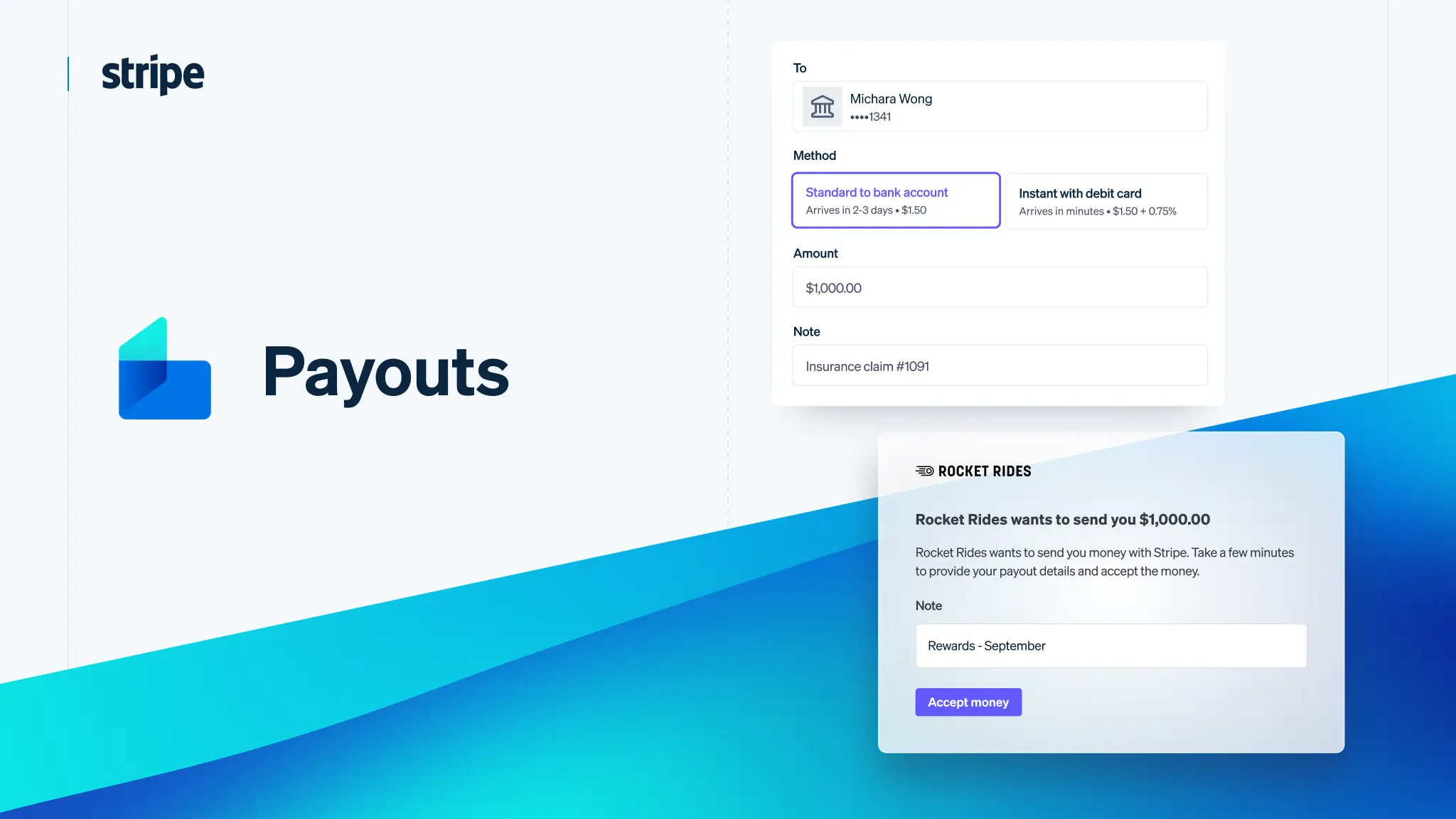
Marketplaces and on-demand platforms eventually need to move money to many recipients quickly, accurately, and compliantly. Stripe Connect makes this tractable, but it is not a drop-in solution.
#1Multi-vendor payouts — the real problem
The problem is not 'send money to vendors'. It is verifying vendor identity, managing tax residency, handling chargebacks fairly, handling currency, and never holding funds you are not licensed to hold.
#2Stripe Connect models in plain English
- Standard accounts — vendor owns the Stripe account; lowest platform liability.
- Express accounts — Stripe-hosted onboarding; balance of speed and control.
- Custom accounts — platform owns the experience; highest control and most compliance load.
#3The operational load nobody warns you about
Once you ship Connect, you ship a payments operations function: dispute investigation, fraud review, vendor support, tax reporting. Plan for it on day one or it will surprise you on day 90.
#4UX considerations that protect adoption
Vendors abandon onboarding when it feels like a tax form. We blend Stripe-hosted forms with platform-native UX, save partial progress, and produce clear status indicators so vendors trust the process.
The takeaway
Stripe Connect is the right choice for the vast majority of marketplaces and on-demand platforms. The teams that win invest equally in the integration and in the payments operations function that sits next to it.
Frequently asked questions
- Which Connect model should we start with?
- Express is the right default for most platforms — fast to ship, strong vendor experience, lower compliance overhead than Custom.
- How do we handle chargebacks fairly?
- Document the dispute policy publicly, automate evidence collection, and never absorb chargebacks silently. Vendors will leave a platform that handles disputes opaquely.
Similar articles
 On-Demand Services
WebSockets vs. HTTP: Why Real-Time Apps Fail Under Pressure
On-demand apps live or die on real-time UX. Choosing between WebSockets, SSE, and long polling — and operating them well — is the difference at scale.
 On-Demand Services
The Math Behind the Match: Architecting High-Speed Dispatch Algorithms
Dispatch is the heart of every on-demand product. Doing it well is a deeply quantitative problem — and the wrong abstraction will sink the product before launch.
 FinTech & Banking
The Rise of Embedded Finance: How Non-Banks Are Becoming Banks
From payroll apps to e-commerce platforms, every category leader is embedding financial services. Here is what it takes to do it well at scale.