WebSockets vs. HTTP: Why Real-Time Apps Fail Under Pressure
On-demand apps live or die on real-time UX. Choosing between WebSockets, SSE, and long polling — and operating them well — is the difference at scale.
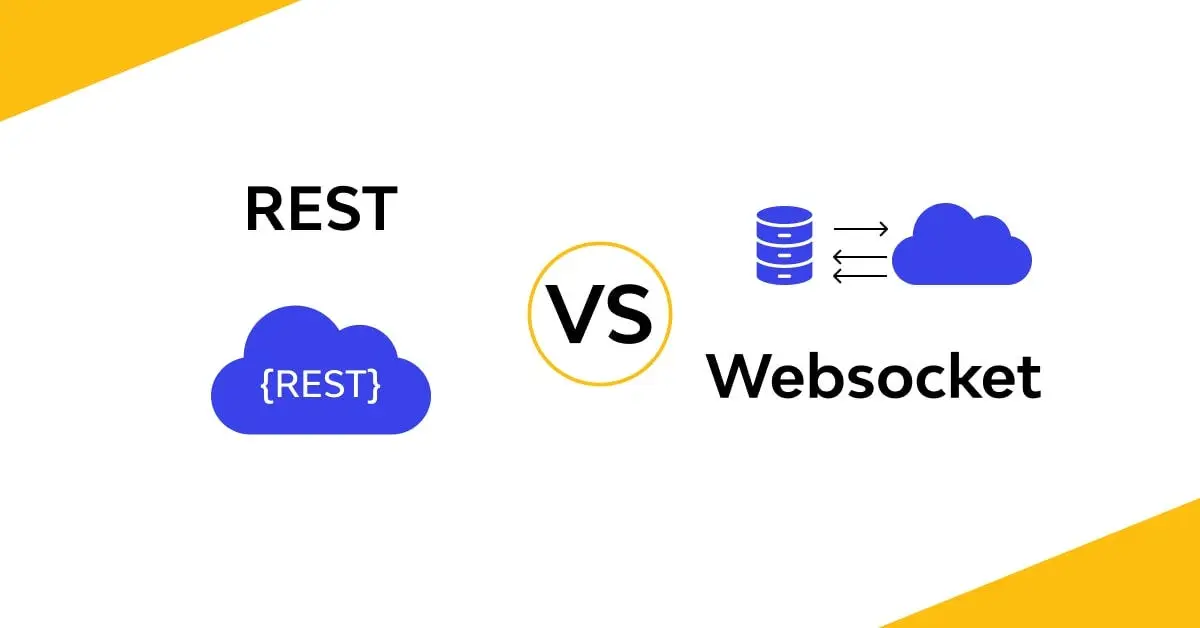
An on-demand product without real-time UX feels broken before the customer can articulate why. The architecture decisions that support real-time experiences are easy to demo and hard to operate.
#1The mismatch between request-response and real-time UX
Polling for a moving driver location is wasteful and laggy. Real-time UX wants events pushed the moment they happen. That demands a different transport — and a different ops mindset.
#2The tools — WebSockets, SSE, long polling
- WebSockets — bi-directional, low overhead, broadest browser support, highest operational complexity.
- Server-Sent Events — simpler, one-directional, often sufficient for status streams.
- Long polling — fallback for restrictive networks; pays a latency tax.
#3Where systems collapse under operational load
Real-time connections expose every weakness in the platform: thundering-herd reconnects, sticky load balancing, cross-region affinity, and graceful degradation. Most outages we have audited started here.
#4Patterns that survive a launch surge
- Connection-level autoscaling, not request-level.
- Idempotent reconnection that does not amplify load.
- Backpressure-aware publishers — drop, never block.
- Observability tuned for connection lifecycle, not just request latency.
The takeaway
Real-time UX is a marathon of operational discipline. The teams that survive launch day invest in connection hygiene long before they invest in fancier message protocols.
Frequently asked questions
- When should we choose SSE over WebSockets?
- When the data flow is one-directional and tolerant of HTTP infrastructure quirks. SSE is materially simpler to operate.
- Do we need a managed service for WebSockets?
- Not always, but at scale a managed service usually pays for itself by abstracting reconnection storms and regional failover.
Similar articles
 On-Demand Services
The Math Behind the Match: Architecting High-Speed Dispatch Algorithms
Dispatch is the heart of every on-demand product. Doing it well is a deeply quantitative problem — and the wrong abstraction will sink the product before launch.
 On-Demand Services
Stripe Connect: The Secret to Frictionless Multi-Vendor Payouts
Multi-vendor payouts look simple until you ship them. Stripe Connect makes the pattern viable — provided you respect the operational and compliance load it brings.
 Education & EdTech
A CTO's Guide to Scaling an EdTech Platform for Millions of Users
EdTech traffic is spiky, synchronous, and global. Scaling the platform is a different problem from scaling a typical SaaS — here is what we have learned.